A sermon on Luke 2:33-40 for the First Sunday after Christmas (postponed). Delivered by Pastor Caleb Strutz.
It seems like from the moment a baby is conceived, the parents are obsessed with predictions. Is it a boy or a girl? Will baby look more like mom or dad? How big is baby going to be? There’s plenty of old wives’ tales that would provide answers to these questions but, more accurately, there’s lots of testing available today. And once the baby is born and you do have the answers to all of those questions right in front of you, the predictions continue. Parents daydream about what their child will be like when they grow up in some silly ways, right, “Well, she really likes sticking her fingers in my mouth, so she’s probably going to be a dentist.” And again, there are some more serious studies which show that a child’s temperament as an infant can be used to predict their personality as an adult. So there’s lots of ways, some serious, some just for fun, that can be used to “predict the future” of a baby. Parents want to know what the future holds for their child.
You can’t get a more certain prediction than a prophecy of God. That’s what Mary received as the mother of Jesus. But Simeon’s prophecy is rather bleak and must have been rather startling in view in everything that led up to this moment. In this newborn prediction about baby Jesus, we see that He will cause much sorrow. But we also see that He will bring great joy.
I. He will cause much sorrow
To really feel the force of Simeon’s prophecy here, I want you to put yourself in Mary’s shoes and consider and feel everything that has led to this point. Certainly there’s been some hardships: the scandal of becoming pregnant, the long journey to Bethlehem, giving birth in a barn. But I think that overall, this has been a string of spiritually very positive experiences for Mary.
She’s greeted by Gabriel as highly favored and blessed among women (Lk 1:28). She learns that will have a Son conceived by the Holy Spirit who will be called the Son of the Highest and will be given the throne of David (Lk 1:32).
She visits her cousin Elizabeth who cries out to her, “Blessed are you among women, and blessed is the fruit of your womb!” (Lk 1:42). She rejoices that God has done the impossible as she sings her song, the Magnificat.
When Jesus is born, she’s visited by shepherds who tell her about the angels who sang and rejoiced at the birth of her Son, “a Savior, who is Christ the Lord” (Lk 2:11). And we left her on Christmas Eve, “But Mary kept all these things and pondered them in her heart” (Lk 2:19).
Now she’s brought Jesus to the temple after forty days, bonded with her newborn baby for over a month, what precious, valuable time. She’s greeted in the temple by Simeon who sings the song we know as the Nunc Dimittis which we will sing at the end of our service today, which speaks of this babe as God’s salvation and light and glory. She “marveled at those things which were spoken of Him.” But now, things begin to take a turn.
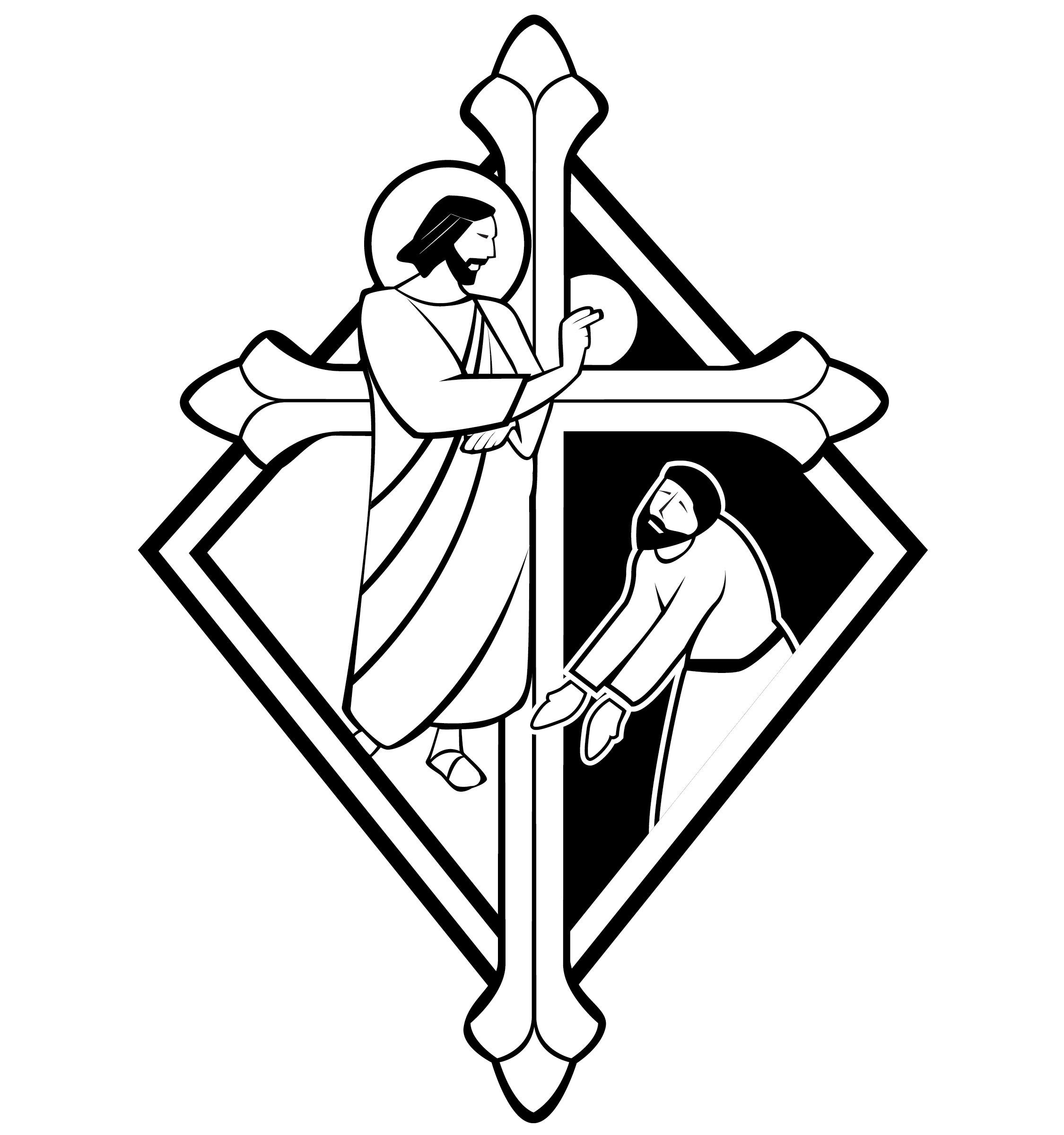
Now, after all of these wonderful experiences and beautiful words spoken about her Baby comes this prophecy. This Child is “a sign which will be spoken against.” And she is told, “yes, a sword will pierce through your own soul also.” Feel and consider the great sorrows of Mary, the mother of God.
Certainly this prophecy must have caused a great deal of confusion and bewilderment. There’s another high point when the magi come, but that’s followed immediately by learning that the king wants to kill your Son and fleeing to Egypt.
And it only gets worse from there. A mother sees her Son being tortured and executed. She’s standing at the foot of the cross, seeing the One who “will be called the Son of the Highest” suffer and die. Imagine the deep grief as she takes His body down and prepares it for burial. The sorrow not only of a mother losing her son, but of all these wonderful hopes being dashed. “Yes, a sword will pierce through your own soul also.”
In many ways, Mary is the model Christian and we can relate to this dramatic swing of emotions. Christ has been born in our hearts by the Word of God as at the Annunciation. We gather with other believers as at the Visitation and we rejoice at Christ’s birth as at Christmas. And every time we repeat the Song of Simeon we behold Christ with her.
And because Jesus is so dear to us, the rejection of Him that we see is so painful. When you’ve done your best to raise your children in the faith and they grow up and go their own way, it’s heartbreaking. When you try to witness for Christ and it just seems like it’s not going anywhere, you feel that sword. When your congregation doesn’t seem to be doing well, that can cause great sorrow.
This is all confusing and bewildering. I thought that Jesus was supposed to bring good things, make my life better, so why does He seem to bring so much sadness?
Jesus said, “I did not come to bring peace but a sword” (Mt 10:34). When the sword pierces your soul, which side are you on? Do you stumble and fall at the division that He brings? The heartbreak is understandable, but so easily we can become absorbed in our sorrow that we call it all into doubt. How do we deal with the heartbreak that Jesus brings?
II. He will bring great joy
But Simeon’s prophecy isn’t all bad news. Yes, this Child is “a sign which will be spoken against” and “destined for the fall … of many in Israel,” but also “for the … rising of many.” The rejection of Christ is heartbreaking, but that does not diminish the value of His redemptive work.
Mary’s grief on Good Friday would be transformed. The same wonder that she felt on Christmas would be multiplied at the resurrection. That heartbreak would be healed.
Imagine her joy in hearing that her Son and her Savior lives. The joy of meeting Him again, embracing the risen Lord whom she once held as a baby in her arms. The joy of being gathered with His beloved disciples at Pentecost (Acts 1:14), receiving the Holy Spirit. Her joy whenever she receives the Lord’s Supper, receiving into herself the Body again she once bore.
Mary is the model Christian, and we share in her joy. This Child is destined to raise us up from death to life. The rejection which He endured on the cross and still endures in the hearts of many does not lessen what He did. He endured the rejection and the scorn because He was bearing much more than that. He was bearing the sins of the world. He endured it to win your forgiveness.
And Christ was not defeated. Although His death brought sorrow, He did not remain in death, but rose from the dead. And He promises you that you, too, will rise. He has given you faith, brought you out of death to life, and He will deliver you to live everlasting and raise you from the dead on the last day.
Yes, Jesus can cause sorrow. But the joy that He brings is greater. Yes, He may cause division, but that is only because He wants you to be united to Him. Yes, His rejection is heartbreaking, but He dwells in your heart to bring you comfort and joy.
Simeon’s prophecy wasn’t quite what Mary and Joseph were expecting when they entered the temple, but it prepared them for what would lie ahead. As we look at the baby Jesus this Christmas season, we know what He came to do, what the future would hold, what Simeon foresaw. But we also see past what Simeon saw, past the sorrow of His death and onto the joy of His resurrection. Christmas leads through Good Friday to Easter. The joy, although interrupted at times, continues. “Weeping may endure for a night, But joy comes in the morning” (Ps 30:5). Amen.