A sermon on Luke 21:25-36 for the Second Sunday in Advent. Delivered by Pastor Caleb Strutz.
It’s the end of the world… again. We just spent the end of the church year looking at the end of the world from the angles of judgment and readiness. And we’re opening our new church year by looking at that again, so there’s some wrap-around from the end to the beginning, but now from the perspective of Advent, of looking for Christ to come. Last Sunday, we saw Christ come in humility and we applied it to how He comes to us today—invisibily, through the means of grace. Today we see Christ come again, but this time visibly and in glory. Although we are preparing to celebrate Christmas, we can no longer make ourselves ready for Christ’s first coming—that has already happened. But we can and we must prepare for His second coming. When the Lord comes again in glory, it will be sudden and terrible, but it won’t be unexpected and it will fill us with hope.
I. Sudden and Terrible
As we listen again to Jesus’ end times teaching, He paints a rather grim picture of His second coming. Before our text, earlier in Luke 21, He prophesies the destruction of Jerusalem and the temple, which would be accompanied by civil unrest and natural disaster. This came to pass in 70 AD.
But Jesus goes on in our text to look forward even further to the end of the world. He speaks of the signs of the times in the sun, the moon, the stars, and the sea. Here He’s not speaking of mere natural disasters, but of something truly cataclysmic and apocalyptic. There’s no doubt in anyone’s mind that this is the end. This will cause distress among the nations and men will fall down and faint in fear at the sight of these things. “Then they will see the Son of Man coming in a cloud with power and great glory.” Christ’s visible return only increases the fear of the unbelievers as He comes now in judgment.
The second coming is accompanied by these terrible signs and it will happen suddenly. So Jesus warns us, “[T]ake heed to yourselves, lest … that Day come on you unexpectedly.” And He tells us also what makes us unprepared, our hearts being “weighed down with carousing, drunkenness, and cares of this life.”
Now maybe alcohol isn’t your vice. But we are all weighed down with the cares of this life and the specific sins given here are merely examples of whatever sin you might use to deaden yourself and try to escape from those cares.
We all carry burdens. We all worry about all sorts of things. And instead of taking those things to our Lord, instead of turning to Him in prayer, we let these things consume us and we use the fleeting pleasures of sin to distract us.
And that’s what makes the suddenness of Christ’s second coming so scary. Because there are plenty of times when I do not want Jesus to come back, I don’t want Him to catch me in my sin, I don’t want Him to come unawares. Because when we are absorbed in the cares of this life, when we turn to sin to find some kind of relief, then we aren’t watching. Then we aren’t ready.
And how often do we even consider Christ’s return as a possibility? It’s been almost two-thousand years since He first said this, and He hasn’t come back yet, so why would He within my lifetime? We become absorbed in the cares of this life because we think we know what the future holds, we’re so confident that we know what’s going to happen. That’s a great recipe to be caught off guard. Don’t let that Day come on you unexpectedly.
II. Expected and Hopeful
Although the end of the world will be accompanied by these terrible signs, although we are given this warning, the predominant message of Jesus here is one of hope.
This can be seen especially in the parable of the fig tree. Now, I haven’t experienced the changing of the seasons in Florida yet, it seems like there isn’t much of a change, but up North, duringseems the winter when it’s cold and miserable and you’re enduring terrible things, when you see the trees start to get some green on them, you’re excited, you know better things are coming, “you see and know for yourselves that summer is now near.”
So although the end of the world will involve enduring terrible things, when they happen, we will see them for what they are, as signs of better things to come, “that the kingdom of God is near.”
While mankind is cowing in fear, we are told to “look up and lift up your heads, because your redemption draws near.” We look forward to the return of Christ, we have nothing to fear, for He is our redemption. “Redemption” is a picture word, it’s release by paying a ransom. And that is exactly what Christ has done for us.
We are burdened with our sin that makes us unprepared. But that burden has been placed on Christ. He made the payment to forgive our sins, shed His precious blood to purchase our forgiveness. We are weighed down by the cares of this life, but Christ has overcome this fallen world. He endured it all on the cross and triumphed in His resurrection. He has taken away everything that would hold us back, everything that would cause us to fear His coming. We look forward with hope, we long for Him to come, because our redemption draws near.
“Watch therefore, and pray always that you may be counted worthy to escape all these things that will come to pass, and to stand before the Son of Man.”
We’ve seen the horrible things that will happen at the end of the world, but we also see them for what they are, signs of better things to come, that summer is near. However, we must still watch and pray.
The burden of our sin has been placed on Jesus and the cares of this life He has overcome. We do not need to let these things absorb us or overwhelm us. We have been found worthy in Christ and, clothed in His righteousness, we will stand before Him on the last day. So watch and pray.
We don’t know when He will return again and maybe that won’t be within our lifetimes. But it might. And even if it isn’t, that watching is still worthwhile. Watching draws us out of ourselves and out of this world as we long and yearn for the world to come.
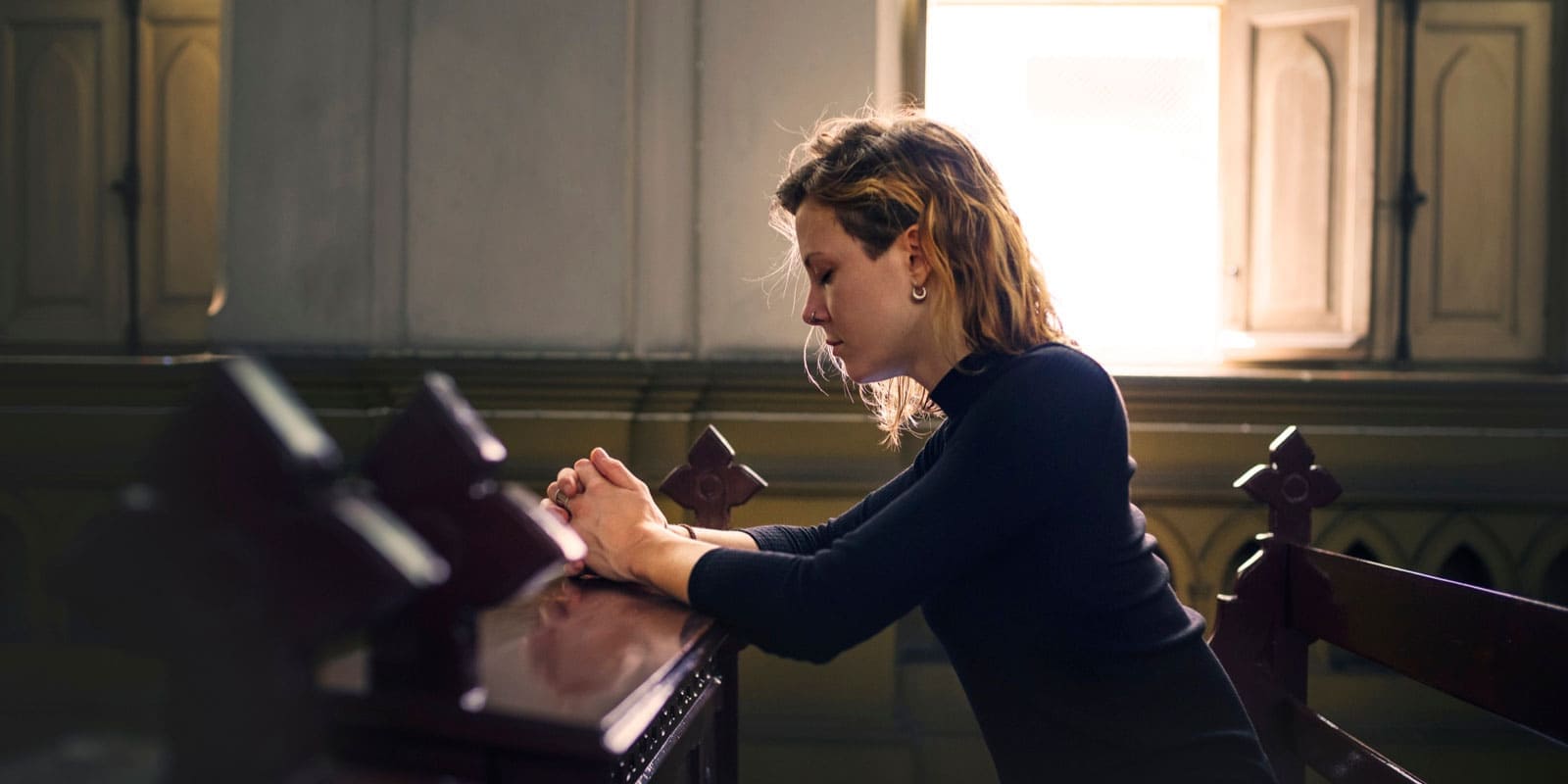
Pray. Always. We don’t want to be caught unawares. Pray regularly and punctually. Make it a part of your routine. Luther says in the Small Catechism, when rising in the morning and when going to bed in the evening, make the sign of the holy cross as you say the Invocation, recite the Apostles’ Creed and the Lord’s Prayer, and then the prayer he gives. There’s these morning and evening prayers and others on page 167 (TLH 118) in the hymnal. Use them. Pray regularly. Don’t let that day come unexpectedly.
Pray always. Fill the rest of your day with prayer as well. When tempted by sin, pray to see it for the burden that it is. When distracted by the cares of this life, pray that God keep you focused on the life to come. Pray always. Stay ready.
As we examine another aspect of Christ’s coming, we see how these various comings of Advent relate with each other. How we receive the Savior when He comes in humility determines how He will receive us when He comes in glory. Even though the end of the world seems scary and will come suddenly, we know that we have nothing to be afraid of. Instead, when we see those signs, it will fill us with hope for our redemption draws near. The burden of our sins and worries has been placed on Christ. So watch and pray. You are counted worthy in Him. Amen.